A Taste of Texas: Flavors Every Visitor Should Experience
You’ll discover Texas’s culinary identity through slow-smoked brisket, sizzling fajitas rooted in ranch culture, and chicken fried steak that transforms humble beef into a crispy, gravy-smothered staple. Don’t miss authentic Tex-Mex enchiladas, Gulf Coast shrimp, and traditional sides like pinto beans and cornbread baked in cast-iron skillets.
From Central Texas’s minimally seasoned barbecue to East Texas’s saucier traditions, each region offers distinct flavors that reflect the state’s diverse heritage.
Texas Barbecue: Slow-Smoked Brisket, Ribs, and Sausage
Texas barbecue developed through a blend of cultural influences in the 19th century. German and Czech immigrants contributed meat-smoking techniques, while African American pitmasters refined slow-cooking methods that define modern barbecue. Mexican traditions introduced barbacoa, and ranch culture shaped open-fire cooking.
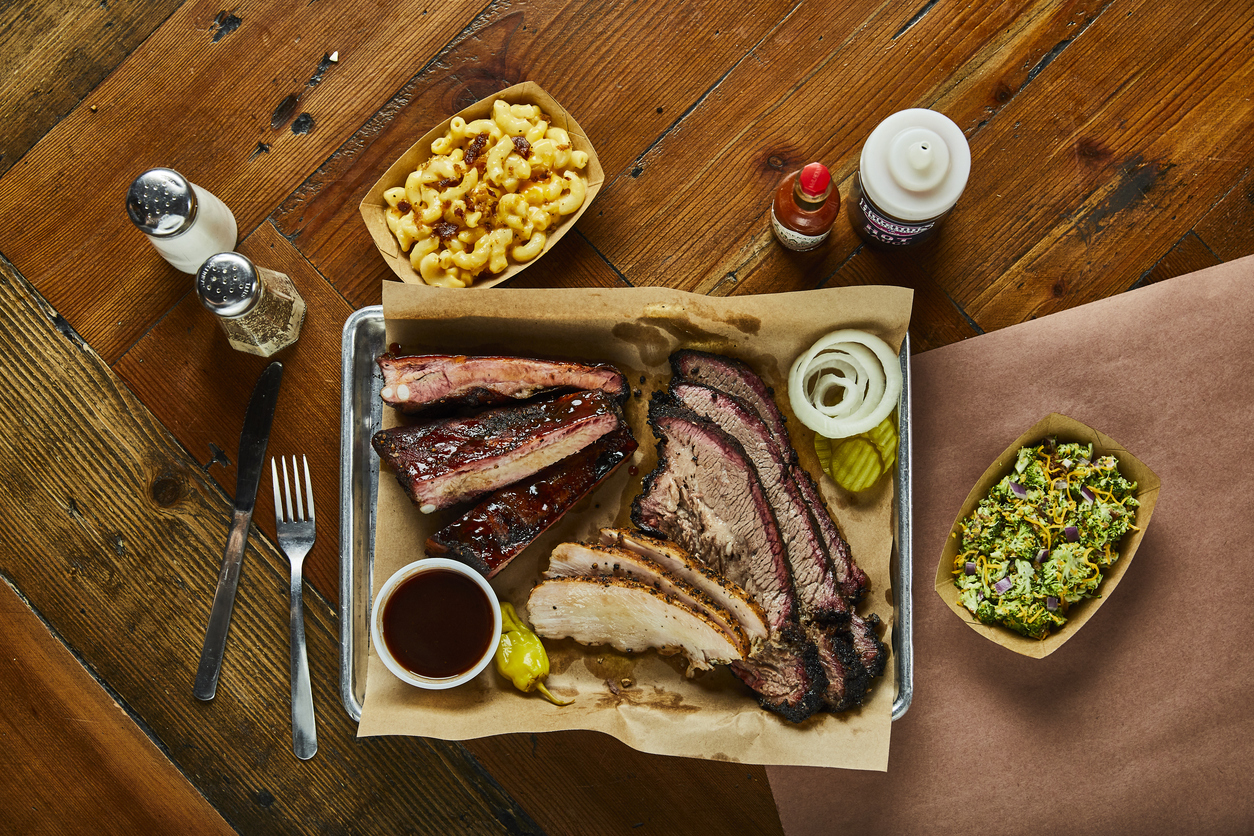
Central Texas barbecue remains the most recognized style, featuring brisket seasoned simply with salt and pepper, smoked over post oak, and often served on butcher paper with pickles, onions, and white bread.
Other regional styles include:
- East Texas: Chopped beef and pork with tomato-based sauces
- West Texas: Direct-heat grilling over mesquite
- South Texas: Barbacoa and Mexican-influenced preparations
Smoked sausage—often linked to German and Czech heritage—remains a staple alongside brisket and ribs.
Tex-Mex Favorites: Fajitas, Tacos, Enchiladas, and Chili
Tex-Mex cuisine is one of Texas’s most defining food traditions, blending Mexican roots with local ingredients and American influences.
You’ll find:
- Fajitas, popularized in South Texas using grilled skirt steak
- Enchiladas, often topped with chili gravy and cheese
- Crispy tacos, adapted for American tastes
- Chili con carne, traditionally served without beans
San Antonio’s “chili queens” helped popularize these dishes in the late 1800s, while innovations like chili powder helped spread Texas flavors nationwide. Queso and margaritas round out the classic Tex-Mex experience.
Texas Chicken Fried Steak With Cream Gravy
Chicken fried steak reflects Texas’s ability to adapt Old World traditions into something distinctly local. German and Austrian settlers brought schnitzel techniques, which evolved into a dish using beef instead of veal.
The preparation involves tenderized steak coated in seasoned flour, fried until crisp, and served with peppery cream gravy. It remains a comfort food staple across diners and family-style restaurants statewide.
Gulf Coast Seafood: Shrimp, Oysters, and Crawfish Boils
Along Texas’s Gulf Coast, seafood plays a major role in regional cuisine. The state’s commercial fisheries supply shrimp, oysters, and blue crab, which appear in dishes ranging from boils to grilled platters.
You’ll commonly find:
- Boiled shrimp and crawfish (especially in spring)
- Fried seafood platters
- Oysters on the half shell
Texas shrimping remains a significant industry, though much of the seafood market includes imports. Seeking out Gulf-caught seafood ensures a more authentic experience.
Classic Texas Side Dishes: Pinto Beans and Fried Okra
No Texas meal feels complete without classic sides that reflect both Southern and Southwestern influences.
- Pinto beans: Slow-simmered with spices, often brothy rather than sweet
- Fried okra: Cornmeal-coated and crisp, rooted in Southern cooking traditions
These dishes highlight the resourcefulness of early Texas kitchens while remaining staples on modern menus.
Texas Breads: Cornbread and Pan De Campo
Cornbread has long been a staple in Texas, typically baked in cast-iron skillets for a crispy crust and tender interior. Unlike sweeter Northern versions, Texas cornbread is usually savory.
Pan de campo, a traditional campfire bread, also reflects the state’s ranching history. Both breads remain common accompaniments to barbecue and Tex-Mex meals.
Texas Desserts: Pecan Pie, Banana Pudding, and Cobbler
Texas desserts often center around local ingredients and simple preparation. Pecan pie stands out as the state’s official pie, made with locally grown pecans and a rich filling popularized in the early 20th century.
Other favorites include:
- Fruit cobblers, especially peach or blackberry
- Banana pudding, influenced by Southern traditions
- Churros, commonly found in Tex-Mex settings
These desserts reflect a mix of agricultural heritage and regional influences.
Regional Variations Across the Lone Star State
Texas’s size creates clear culinary regions, each with its own specialties:
- Central Texas: Brisket, sausage, and Czech influences
- South Texas: Tex-Mex, fajitas, and barbacoa
- East Texas: Saucy barbecue and Southern-style dishes
- Gulf Coast: Seafood and Cajun-Creole influences
- West Texas: Mesquite-grilled meats and Northern Mexican flavors
Exploring these regions reveals how geography and culture shape the state’s food traditions.
Where to Eat: Must-Try Restaurants Across Texas
To turn Texas’s iconic dishes into real experiences, plan your meals around well-known local spots in each major city.
In Austin, visit Franklin Barbecue for nationally recognized brisket, La Barbecue for a shorter wait with equally strong flavors, and Veracruz All Natural for some of the city’s best breakfast tacos.
In Dallas–Fort Worth, try Pecan Lodge in Deep Ellum for Central Texas-style barbecue, Hutchins BBQ in McKinney for all-you-can-eat smoked meats, and Joe T. Garcia’s in Fort Worth for classic Tex-Mex in a historic courtyard setting.
In Houston, head to Truth BBQ or Pinkerton’s Barbecue for standout brisket, and explore Ninfa’s on Navigation, widely credited with popularizing fajitas.
In San Antonio, experience Mi Tierra Café y Panadería for Tex-Mex and baked goods, 2M Smokehouse for top-tier barbecue, and Ray’s Drive Inn for the city’s famous puffy tacos.
These restaurants anchor Texas cuisine in real places, helping you experience regional flavors exactly where they’re best known.
Conclusion
Texas cuisine reflects the state itself—diverse, bold, and deeply rooted in tradition. From barbecue and Tex-Mex to seafood and desserts, every region offers something unique. Whether you’re visiting for a weekend or a longer trip, these flavors provide one of the most memorable ways to experience Texas.