How Food Became a Pop Culture Experience: From Local Dining to Viral Food Tourism
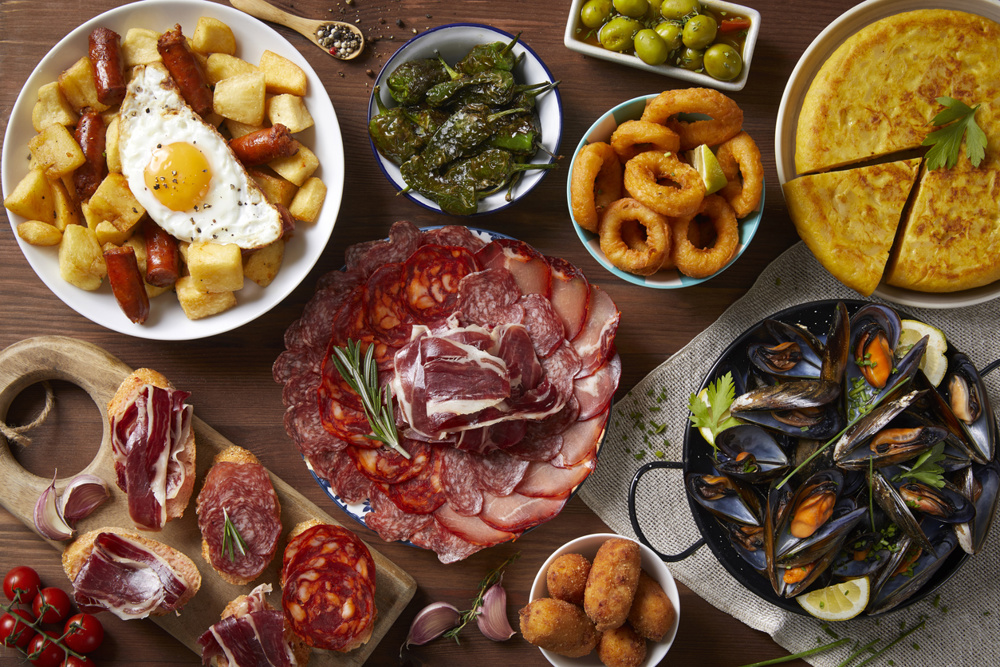
Food stopped being just fuel the moment when the media started turning meals into moments people could share, recreate, and celebrate. Today, a restaurant recommendation can come from TikTok, a favorite television show can inspire a themed dinner, and a viral bakery can attract visitors from around the world. What once existed primarily as a local experience has evolved into a form of entertainment, travel inspiration, and cultural expression.
This shift didn't happen overnight. It emerged through decades of television, celebrity culture, social media, and changing travel habits. Along the way, food became more than something people consumed—it became something people pursued, documented, and built experiences around.
When Did Food Become a Pop Culture Statement?
Food has always reflected culture, but its role changed dramatically once mass media began influencing how people thought about eating. Television cooking shows, celebrity chefs, and food-focused travel programs introduced audiences to cuisines and dining experiences they might never have encountered otherwise. Meals became part of larger stories rather than isolated daily routines.
As entertainment expanded, food became a visual language. Television characters had signature meals, celebrity chefs became household names, and restaurants gained fame through media exposure. Audiences started associating specific dishes with personalities, places, and cultural moments. The meal itself became part of the narrative.
Today, what you eat often communicates something about your interests and lifestyle. Food choices can signal curiosity, nostalgia, fandom, health consciousness, or cultural appreciation. In many ways, dining has become another form of self-expression, making food an unmistakable part of modern pop culture.
How Fandom Turned Fictional Dishes Into Real Obsessions?
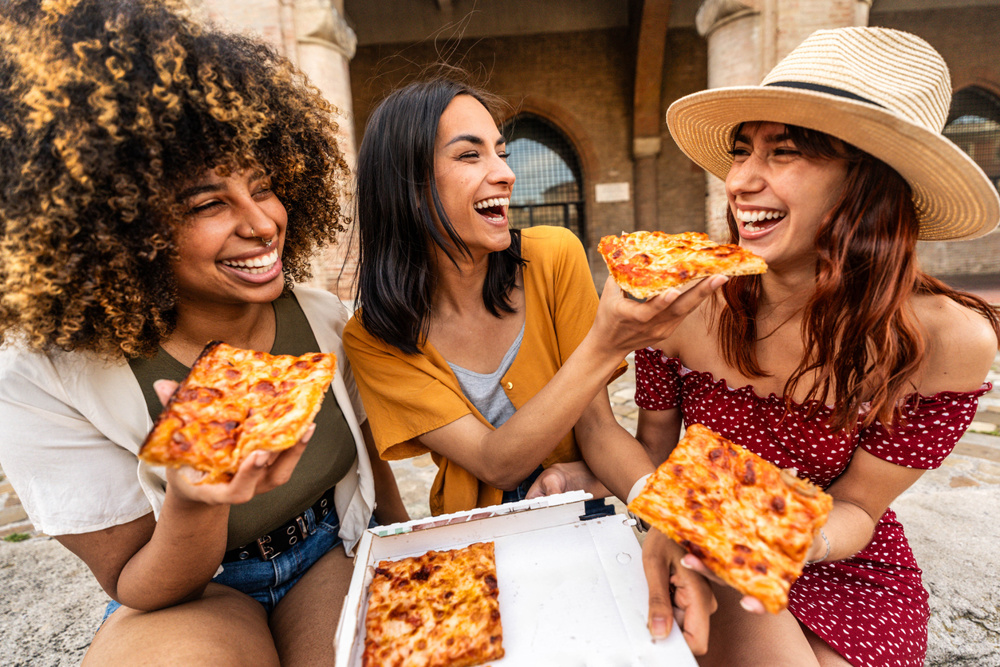
When a fictional dish captures people's imagination, fans rarely leave it on the screen. Instead, they recreate it, share it, and turn it into a real-world experience. What begins as a small detail in a story can quickly become a culinary phenomenon that extends far beyond its original audience.
Examples appear everywhere. Harry Potter fans seek out Butterbeer, Studio Ghibli enthusiasts recreate the comforting meals featured in animated films, and countless home cooks attempt versions of famous fictional dishes from movies, television shows, and games. Entire cookbooks have been built around bringing fictional food into real kitchens.
These recreations matter because they allow fans to participate in stories rather than simply consume them. Cooking or tasting a dish connected to a beloved fictional world creates a deeper connection to that experience. Food becomes a bridge between imagination and reality, turning fandom into something tangible.
The Pop Culture Shift That Made Dining an Event
Restaurants increasingly recognize that people want more than a meal—they want an experience. As a result, themed dining concepts, immersive restaurants, and franchise-inspired menus have transformed dining into a form of entertainment that competes with movies, concerts, and attractions.
From character-themed cafés and movie-inspired pop-ups to highly designed restaurants built around specific concepts, the focus has shifted from simply serving food to creating memorable moments. The atmosphere, presentation, and storytelling become just as important as the menu itself. Guests aren't merely customers; they're participants in an experience.
This evolution reflects a broader cultural trend in which people seek experiences they can remember, share, and discuss. Dining out has become part of leisure culture, blending food with entertainment in ways that would have seemed unusual just a few decades ago.
How Pop Culture Shapes What Consumers Actually Buy
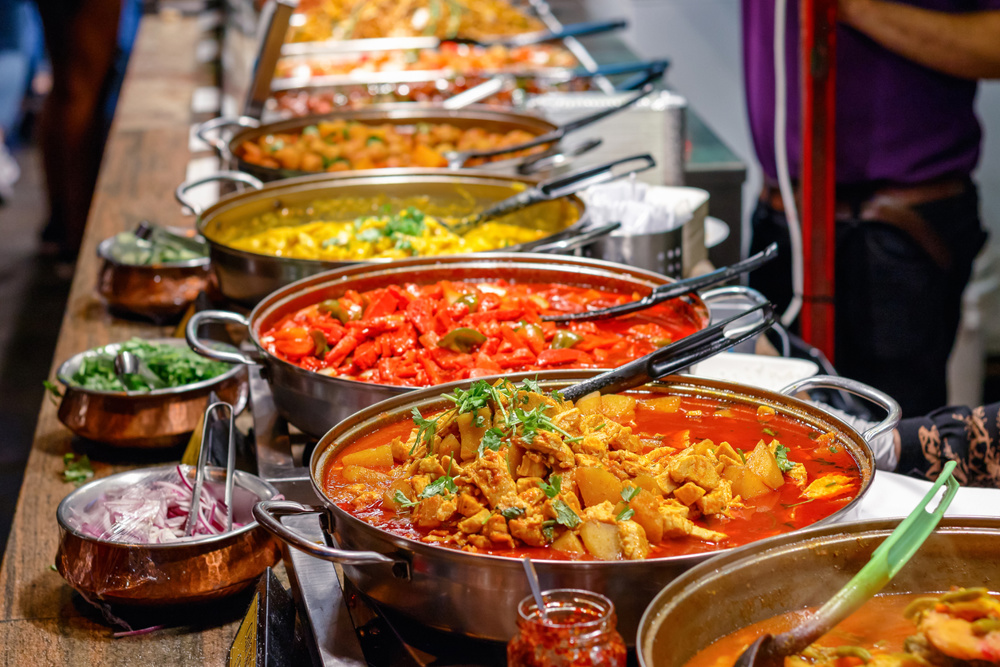
Pop culture influences consumer behavior long before people sit down at a restaurant. Television shows, celebrities, influencers, and viral trends all shape purchasing decisions in grocery stores, cafés, and online marketplaces.
When a recipe goes viral or a celebrity endorses a particular food item, demand can surge almost immediately. Limited-edition collaborations, branded products, and themed menu items capitalize on this behavior by connecting food purchases to broader cultural conversations. Consumers aren't just buying ingredients—they're buying participation in a trend.
This emotional connection explains why food marketing often succeeds when it taps into stories and experiences. People frequently purchase products because they associate them with a favorite creator, a memorable show, or a cultural moment they want to be part of. The food becomes a symbol of something larger than itself.
How TikTok Became the World's Most Powerful Food Guide
Few platforms have changed food discovery more dramatically than TikTok. What once required guidebooks, travel magazines, or extensive online research can now happen through a single video viewed in a matter of seconds. Restaurants, bakeries, and food stalls regularly gain massive attention after appearing on users' feeds.
The platform's strength lies in its ability to combine visual storytelling with immediate authenticity. Viewers can watch food being prepared, see customer reactions, and experience the atmosphere of a location without ever leaving home. A small neighborhood restaurant can suddenly find itself serving visitors from across the country because one video captured the internet's attention.
For travelers, TikTok has become an unofficial food guide. Many people now build dining itineraries around recommendations from creators rather than traditional travel publications. The result is a faster, more democratic system of food discovery that can transform local businesses into global destinations almost overnight.
How Food Influencers Became Modern Travel Planners
Food influencers have become some of the most powerful voices in modern travel. A decade ago, travelers often relied on guidebooks, travel magazines, or review websites to decide where to eat. Today, many people build entire itineraries around recommendations from creators whose tastes and experiences they trust.
What makes influencer recommendations so effective is their ability to combine information with storytelling. Viewers don't just see the food—they see the atmosphere, the people behind the business, and the experience of visiting the location. This creates a stronger emotional connection than a written review alone.
The rise of food influencers has changed how destinations gain attention. Restaurants no longer need national media coverage to attract visitors from around the world. Instead, authentic recommendations from creators can transform local businesses into must-visit attractions almost overnight, reshaping how people discover and experience new places.
Why Authentic Local Meals Matter More Than Ever
As food trends move faster than ever, many travelers are placing greater value on authenticity. Viral restaurants may attract attention, but travelers often remember the small family-owned café, neighborhood market, or regional specialty they discovered away from the crowds. These experiences provide a deeper connection to the places they visit.
Local meals offer something social media trends cannot fully replicate: cultural context. Traditional recipes often reflect generations of history, migration, and community identity. Whether it's a bowl of ramen in a quiet Tokyo neighborhood, barbecue from a long-running Texas smokehouse, or handmade pasta in a small Italian town, these meals tell stories about the people and places behind them.
This growing interest in authenticity has become one of the defining trends in modern food travel. Travelers increasingly want experiences that feel genuine rather than manufactured for social media. While viral food moments continue to influence dining decisions, authentic local meals remain the experiences people talk about long after the trip is over.
Why Pop Culture Food Experiences Are Worth Traveling For
Travel has always involved food, but food itself has increasingly become the reason for the trip. Rather than simply eating while traveling, many people now choose destinations specifically because of the dining experiences they offer.
Pop culture plays a major role in this trend. Fans travel to themed cafés, restaurant collaborations, and limited-time food events connected to favorite franchises or viral trends. Others seek out famous bakeries, food markets, or restaurants they've discovered through social media. The destination becomes meaningful because of the food attached to it.
These experiences create stronger memories because they combine place, culture, and personal interests. A meal becomes part of the travel story rather than a break from sightseeing. For many travelers, the most memorable moments of a trip now happen around a table rather than at a landmark.
Travelers interested in the growing connection between entertainment and dining can learn more about food tourism in pop culture and how themed restaurants, viral food destinations, and fandom-driven experiences are reshaping modern travel.
Why Travelers Trust Neighborhood Food Guides Over Tourist Lists
As food tourism grows, many travelers have become skeptical of generic recommendation lists. Traditional tourist guides often highlight famous establishments, but increasingly, visitors want something that feels more authentic and connected to local culture.
Neighborhood food guides have emerged as a popular alternative. Created by local writers, creators, and residents, these guides often highlight family-owned restaurants, regional specialties, and hidden gems that rarely appear in mainstream travel coverage. They provide a more personal view of a city's culinary identity.
This shift reflects a broader desire for meaningful travel experiences. Rather than simply checking famous restaurants off a list, travelers want to understand how local communities actually eat. Food becomes a way of experiencing a destination from the inside rather than observing it from the outside.
How Pop Culture Food Turned Travel Into a Culinary Mission
Food tourism today often resembles a treasure hunt. Travelers arrive with specific destinations already saved on their phones, determined to experience restaurants, dishes, and culinary landmarks they've encountered online.
A viral sandwich shop, a famous ramen counter, or a bakery known for a particular pastry can become the centerpiece of an entire trip. Some travelers organize multi-day itineraries around restaurants alone, treating food as the primary attraction rather than a supporting activity.
This transformation has changed how people think about travel planning. Food no longer sits alongside sightseeing—it often drives it. The desire to experience something personally after discovering it online has turned dining into a powerful motivator for exploration.
What's Next for Pop Culture Food Experiences?
The relationship between food and pop culture continues to evolve. Social media platforms, entertainment companies, and hospitality brands are finding new ways to merge storytelling with dining experiences. The result is a future where food becomes even more interactive and personalized.
Creator-led food tours, limited-time restaurant collaborations, and immersive dining concepts are already becoming more common. Audiences increasingly expect experiences that extend beyond traditional restaurant service. They want meals that connect to stories, communities, and cultural moments they care about.
At the same time, authenticity remains important. Even as technology and entertainment continue shaping dining trends, travelers and food enthusiasts still seek genuine local experiences. The most successful food experiences of the future will likely balance innovation with a strong sense of place and cultural identity.
Conclusion
Food became a pop culture experience because it now exists at the crossroads of entertainment, travel, and personal identity. A meal is no longer simply something people consume—it can be a connection to a favorite story, a reason to visit a new city, or a way of expressing individual tastes and interests. The cultural meaning attached to food has become just as important as the food itself.
As social media, travel trends, and entertainment continue influencing how people discover new experiences, food will remain one of the most powerful ways to connect with culture. Whether you're following a neighborhood food guide, planning a trip around a viral restaurant, or recreating a fictional dish at home. Modern dining is about more than what's on the plate. It's about participating in a story and creating one of your own.